Get Industrial Fence Installation
Local contractors offer industrial fence installation services to secure properties, mark boundaries, and support projects like warehouses, factories, or construction sites.
Industrial fence installation is a practical solution for property owners seeking to enhance security, define boundaries, or improve privacy on their commercial or industrial sites. Whether for safeguarding equipment, controlling access, or complying with safety regulations, installing a sturdy fence can be an essential part of managing a property effectively. Local contractors specializing in fence installation can provide the expertise needed to plan and execute projects that meet specific site requirements and industry standards.
Exploring options for industrial fencing involves comparing the services offered by various local service providers to find the best match for a project's needs. Planning a fencing project requires careful consideration of factors such as material choice, design, and site conditions. Service providers in the area can assist property owners in evaluating these aspects and ensuring the installation aligns with operational goals. Continuing to review local options can help identify experienced professionals capable of delivering reliable and durable fencing solutions.
- Industrial Fence Installation - needed when securing large commercial or manufacturing facilities.
- Perimeter Security Fencing - required to safeguard property boundaries around industrial sites.
- Chain Link Fence Installation - suitable for creating durable, cost-effective barriers for industrial areas.
- Privacy Fence Installation - used when privacy is necessary for industrial operations or storage yards.
- Custom Metal Fence Projects - appropriate for specialized security needs or unique industrial property requirements.
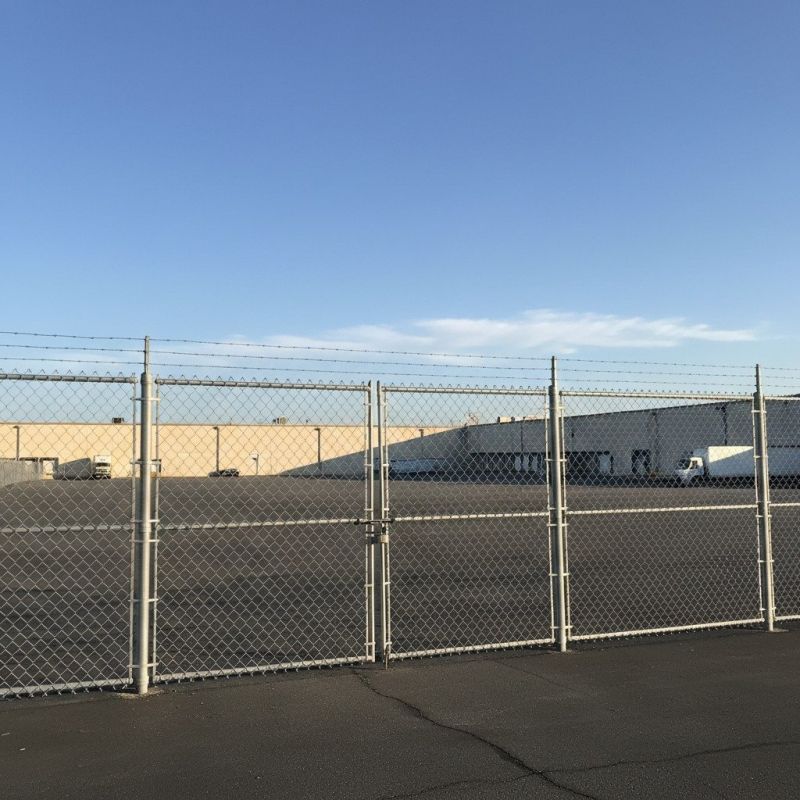
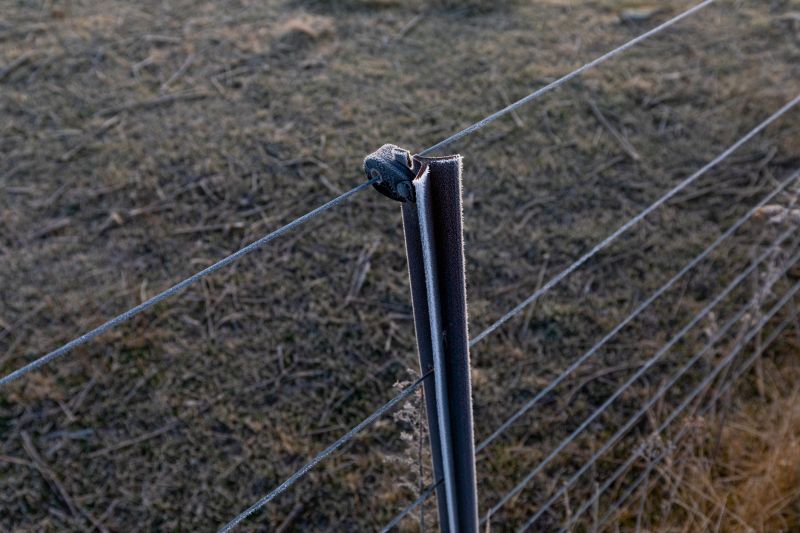
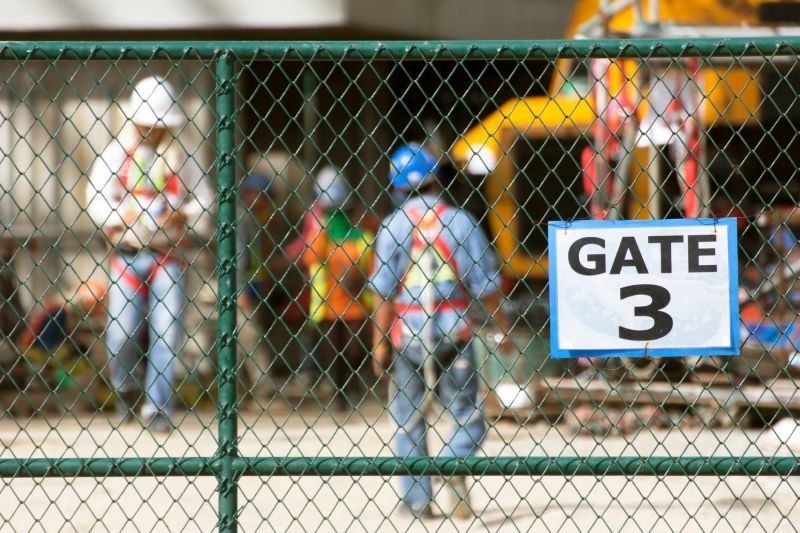
Industrial fence installation services involve the design, placement, and securing of durable fencing solutions tailored for commercial, industrial, and large-scale properties. These services typically include evaluating the property’s specific needs, selecting appropriate fencing materials, and professionally installing fences that meet safety, security, and boundary requirements. Whether for protecting valuable equipment, controlling access points, or defining property limits, experienced contractors ensure the fences are sturdy, long-lasting, and properly integrated into the site’s layout.
This type of fencing helps address a variety of problems faced by property owners. It provides a physical barrier to prevent unauthorized access, reducing the risk of theft, vandalism, or trespassing. Industrial fences can also serve to contain hazardous materials or machinery, ensuring safety for employees and visitors. Additionally, these fences help establish clear property boundaries, which can be essential for legal compliance and minimizing disputes with neighboring properties.
Properties that typically utilize industrial fencing include manufacturing plants, warehouses, distribution centers, construction sites, and large commercial facilities. These properties often require high-security fencing options such as chain-link, steel, or barbed wire fences, designed to withstand harsh conditions and provide a robust perimeter. Even some large agricultural or utility sites may benefit from specialized fencing to safeguard equipment and infrastructure while maintaining clear property demarcations.
Homeowners who are considering industrial fencing might do so when they need increased security around a large property, a workshop, or a storage area on their land. This fencing can also be useful for creating a secure outdoor space for equipment or livestock, or for establishing a clear boundary to prevent unwanted access. Contacting local contractors can help determine the most suitable fencing solutions based on the property’s size, purpose, and security needs.
The overview below groups typical Industrial Fence Installation projects into broad ranges so you can see how smaller, mid-sized, and larger jobs often compare in your area.
In many markets, a large share of routine jobs stays in the lower and middle ranges, while only a smaller percentage of projects moves into the highest bands when the work is more complex or site conditions are harder than average.
Smaller Repairs - Basic fence repairs or minor modifications typically range from $250 to $600 for many smaller jobs. Most routine fixes fall within this band, with fewer projects reaching the higher end of the range. Local pros can often handle these efficiently and affordably.
Standard Fence Installation - Installing a new fence on a standard residential property generally costs between $1,500 and $3,500. Many projects fall into this middle range, though larger or more complex installations can exceed $4,000.
Full Fence Replacement - Replacing an entire fence usually ranges from $3,500 to $7,000, depending on material choices and property size. Larger, more intricate projects can go beyond $8,000, but most fall within this typical range.
Custom or Commercial Projects - Custom-designed or commercial fence installations often start around $5,000 and can go well over $10,000 for extensive or high-security setups. These larger projects are less common but represent the higher end of typical costs handled by local service providers.
Actual totals will depend on details like access to the work area, the scope of the project, and the materials selected, so use these as general starting points rather than exact figures.
Perimeter Fencing - local contractors can install fencing around properties for security and privacy, utilizing similar planning and installation skills as industrial fence projects.
Warehouse Enclosure - professionals experienced in industrial fencing can also handle the installation of warehouse enclosures to secure large storage areas.
Security Gate Systems - installing automated or manual security gates requires expertise in access control and fencing integration, similar to industrial fence services.
Construction Site Barriers - setting up temporary or permanent barriers at construction sites involves planning and fencing skills comparable to industrial installations.
Industrial Partitioning - creating internal partitions within industrial facilities shares techniques with exterior fencing, including planning and material handling.
Storage Yard Fencing - securing outdoor storage areas with durable fencing is a task that involves similar tools and planning as industrial fence installation services.
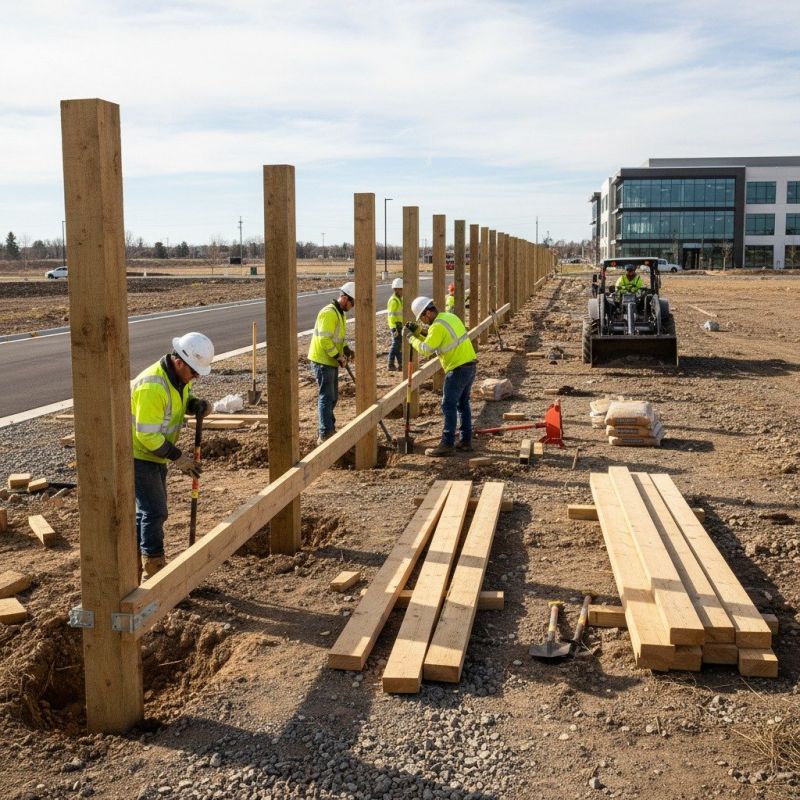
When comparing local contractors for industrial fence installation, it is important to consider their experience with projects similar in scope and complexity. A contractor with a proven track record of handling comparable fencing projects can provide insight into their familiarity with the specific requirements and challenges involved. This experience often translates into more efficient work, adherence to standards, and a higher likelihood of meeting project expectations.
Clear, written expectations are essential when evaluating potential service providers. A reputable contractor should be able to communicate their scope of work, materials to be used, and any relevant processes in a detailed and understandable manner. Having these expectations documented helps ensure everyone is aligned and reduces the risk of misunderstandings or disputes during the project.
Reputable references and strong communication skills are key indicators of a reliable local contractor. References from previous clients can offer valuable insight into the contractor’s professionalism, quality of work, and ability to meet deadlines. Additionally, good communication-such as responsiveness, clarity, and transparency-facilitates a smoother project experience. It is advisable to inquire about these aspects when considering different options to find a service provider capable of delivering a successful fencing project.
Property owners use Industrial Fence Installation services for practical projects around their homes and businesses. This guide focuses on everyday jobs and straightforward project options.
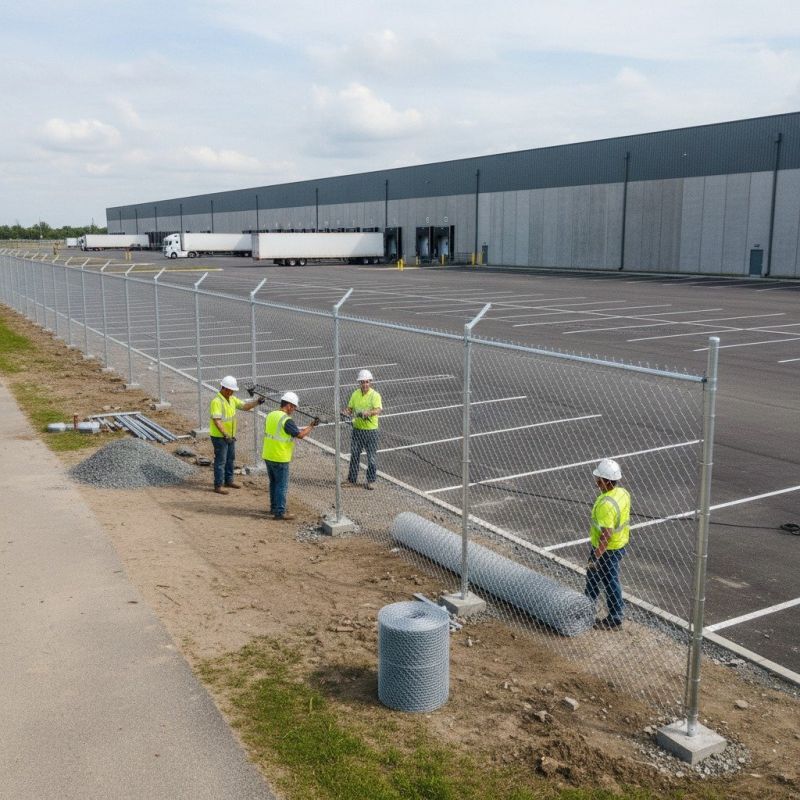
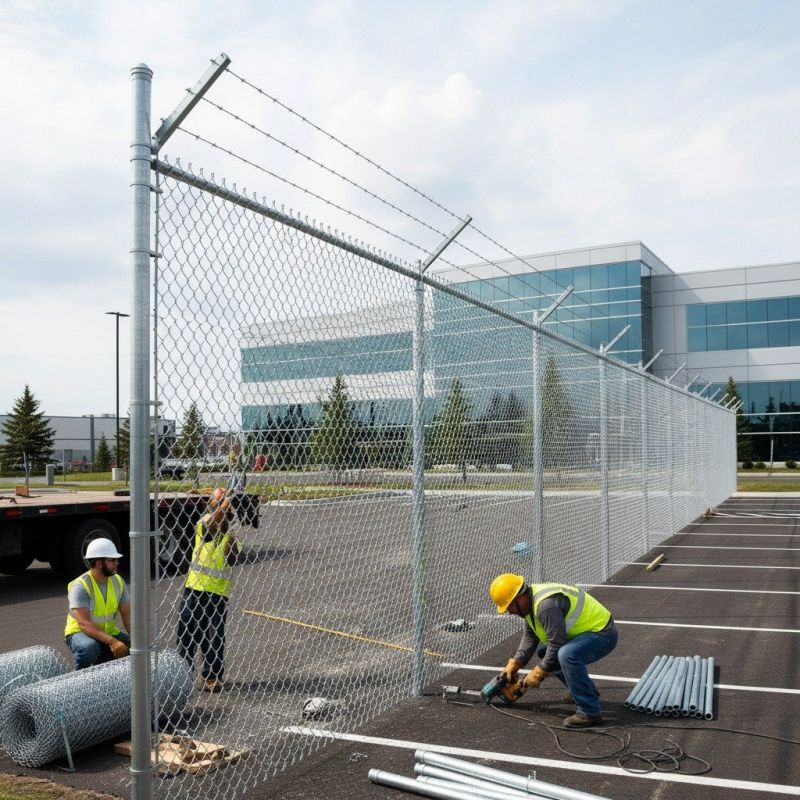
Industrial fence installation is a common project for property owners seeking to secure their commercial or industrial sites, storage yards, or manufacturing facilities. Local contractors are often called upon to install durable fencing solutions that help define property boundaries, prevent unauthorized access, or keep equipment and materials protected. Whether it's upgrading existing fencing or putting in a new enclosure, many property owners rely on nearby service providers to handle the work efficiently and effectively.
In addition to security concerns, property owners may seek industrial fencing to meet regulatory requirements or to improve the overall safety of their premises. Local service providers can assist with selecting the right fencing materials and styles to suit specific needs, ensuring the installation is both functional and compliant. These projects often arise from the need to contain vehicles, machinery, or personnel, making the expertise of nearby contractors a valuable resource for property owners in the area.
What types of industrial fences do local contractors install? Local contractors typically install various types of fences including chain-link, steel panel, barbed wire, and security fencing to meet different industrial security and boundary needs.
Can local service providers handle custom fence designs? Yes, many local contractors can work with clients to design and install custom fencing solutions tailored to specific industrial requirements.
What materials are commonly used in industrial fence installations? Common materials include galvanized steel, chain-link, aluminum, and sometimes specialty materials for enhanced security or durability.
Are there options for integrating security features into industrial fences? Yes, local contractors often offer security enhancements such as barbed wire, anti-climb features, and reinforced panels to improve perimeter security.
How do local service providers ensure proper installation of industrial fences? They follow industry best practices for site assessment, material handling, and installation techniques to ensure fences are sturdy and compliant with safety standards.
Security and Privacy Enhancement - Property owners can install fences to create a secure boundary around their homes or businesses, preventing unauthorized access.
Pet and Child Safety - Installing fences helps keep children and pets safely contained within a yard, reducing the risk of accidents or escapes.
Property Demarcation - Fences can clearly define property lines and boundaries to avoid disputes with neighbors or other landowners.
Privacy for Outdoor Spaces - Erecting fences provides privacy for outdoor activities, relaxing, or entertaining without unwanted interruptions.
If you are thinking about Industrial Fence Installation for a property, this guide is meant to help you understand the work, the typical project types, and how different options might fit your plans.
When you are ready, you can use the quote form on this page to share a few details about your project. From there, local pros can review the basics and respond with options that match what you have in mind.